

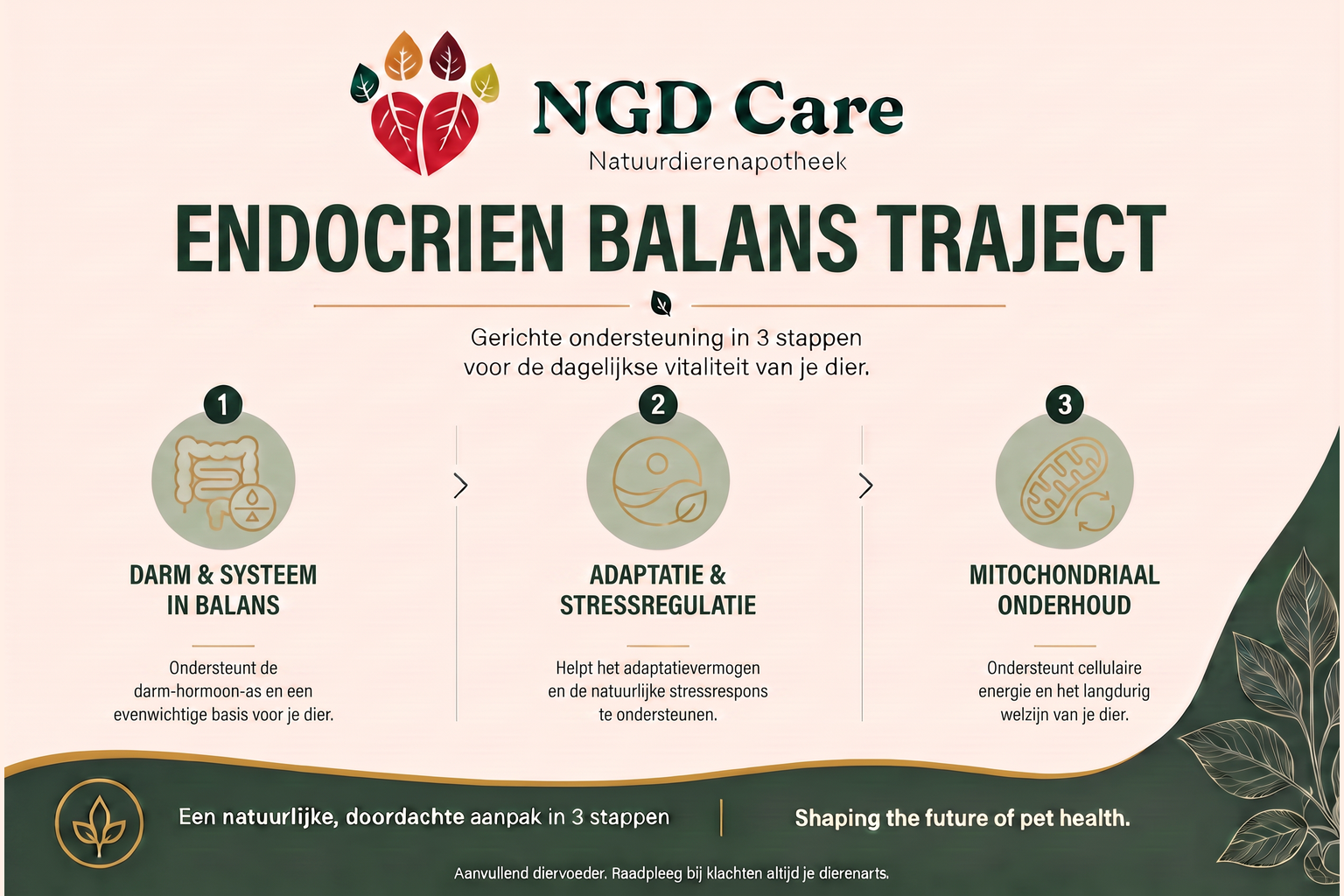
Endocrine Balance Trajectory
€ 134,85
Additional supplementation support in hypothyroidism, hyperthyroidism, Cushing’s disease, and Addison’s disease in dogs and cats. Supports adaptive capacity, gut-hormone axis and mitochondrial repair in addition to hormonal medications.
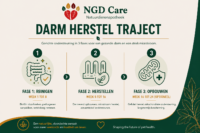
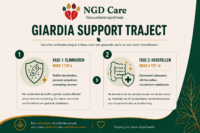
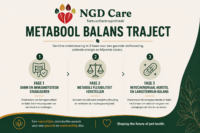
- Three phases: stabilize intestine and hormone axis, build adaptation, repair mitochondria
- Myco Adaptogen Complex and Adaptogen Complex for HPA axis recovery and stress resilience
- Gut Hormone Axis: Improving T4-to-T3 Conversion via Microbiome Repair
- Longevity Support for Mitochondrial Biogenesis via NAD⁺ and PGC-1alpha
- Adaptogen Complex Contraindicated in Untreated Hyperthyroidism
- Always complementary to hormonal medication, never a substitute
Description
Your animal has received a hormonal diagnosis: hypothyroidism, hyperthyroidism, Cushing’s disease or Addison’s disease. Or you recognize the signs of hormonal dysregulation without a formal diagnosis. This bundle has been developed as a supplement to your vet’s treatment. We explain what is really going on in your animal’s body, what the medication does and what we recommend to support the system around it.
What your vet told you, and what else is going on
Your vet has diagnosed a hormone problem and prescribed medication. Levothyroxine for hypothyroidism, felimazole or radioactive iodine for hyperthyroidism, trilostane for Cushing’s, fludrocortisone and prednisolone for Addison’s. This medication is justified and necessary for most conditions for life. But in an average consultation, there is no room to explain why endocrine disorders are so much more than a hormone problem, and why an animal that is well adjusted to medication still remains fatigued, loses muscle mass or is susceptible to infections.
What your vet may not have explained
Nutrition for endocrine disorders
In endocrine disorders, nutrition is rarely discussed as a therapeutic tool. From the point of view of integrative medicine, this is a missed opportunity.
Our nutritional advice for endocrine disorders
Three Common Endpoints in All Endocrine Disorders
The body can no longer respond adequately to stressors. HPA axis dysregulation or exhaustion is the central mechanism, regardless of the specific condition.
T3 directly regulates mitochondrial gene expression. Cortisol damages mitochondrial membranes in chronic elevation. In all four disorders, cellular energy production is structurally reduced.
The microbiome modulates the HPA axis via short-chain fatty acids, regulates T4-to-T3 conversion via deiodinase enzymes, and influences the estrogen cycle. Dysbiosis undermines hormonal feedback on several levels at the same time.
Our advice: phased support in addition to your vet’s medication
The phasing is mechanistically: first stabilize the intestine and the immune system, then build up adaptation and stress resistance, then restore the mitochondria. Each phase lays the foundation for the next.
A significant part of the peripheral T4-to-T3 conversion occurs via gut microbiome enzymes. A disturbed microbiome lowers the active thyroid hormone status even with adequate medication. LPS from a disturbed intestinal barrier activates the HPA axis via TLR4 and strengthens the stress axes that are already dysregulated in all four conditions. Liposomal curcumin modulates NF-kB and inhibits pro-inflammatory cytokine production that lowers hormone receptor sensitivity.
Myco Adaptogen Complex supports the HPA axis via beta-glucans that modulate macrophage balance and indirectly dampen cortisol reactivity. Adaptogen Complex restores cortisol receptor sensitivity via ashwagandha and inhibits energetic exhaustion in chronic stress stress via rhodiola. Please note: the adaptogen complex is not used in untreated hyperthyroidism because of its potential stimulating effect on the thyroid gland. PEA & Boswellia inhibit neuroinflammation and support comfort and resilience. Omega-3 protects cell membranes and hormone receptors.
* Do not use Adaptogen Complex for untreated hyperthyroidism.
T3 directly regulates the expression of mitochondrial genes. In hypothyroidism, mitochondrial activity is structurally reduced. In Cushing’s, chronic cortisol has damaged the mitochondrial membranes. In hyperthyroidism, chronic overactivity has depleted mitochondrial capacity. Longevity Support restores sirtuin activity and mitochondrial biogenesis through NAD⁺. CoQ10 restores the electron transport chain that is affected in all four conditions. Glutathione lowers oxidative stress which reduces hormone receptor sensitivity.
What can you expect and when?
Endocrine disorders are chronic. Hormone medication sets up the system, but systemic recovery takes more time. Always focus on the blood values your vet checks, not just clinical improvement.
Intestine stabilized. Better absorption of medication and nutrients. Less fluctuating energy.
Stress resilience improves. Less extreme reactions to stimuli. Quieter basic level. Muscle quality recovers gradually.
Mitochondrial recovery visible in vitality and resilience. Hormone medication works more efficiently.
Systemic recovery consolidated. Stable hormonal balance with medication and support together.
Always inform your veterinarian about the supplementation. With Addison: never adjust without consultation. In Cushing’s: check liver values when used trilostane, Longevity Support and CoQ10 support the liver load of this drug. In case of hyperthyroidism: Do not use Adaptogen Complex until after treatment and stabilization.
Specific points of attention for each condition
Levothyroxine is the basis. The beam supports T4-to-T3 conversion via intestinal repair, the mitochondrial energy production that normally regulates T3 and muscle maintenance affected by slowed metabolism.
Felimazole or I-131 is leading. Focus on muscle maintenance through omega-3 and protein-rich foods. Mitochondrial recovery after exhaustion period. Only use Adaptogen Complex after treatment and stabilization.
Trilostane is leading. Focus on muscle preservation, insulin resistance support, and mitochondrial recovery after chronic cortisol damage. CoQ10 also supports the liver burden of trilostane.
Lifelong hormone replacement is non-negotiable. Focus on stress resilience, electrolyte balance and quality of life. Myco Adaptogen Complex supports HPA-axis resilience in addition to the medication.
For which situations do we recommend this bundle?
Want to read the full scientific background?
Stefan Veenstra DVM explains how the HPA axis, HPT axis, gut-hormone axis and mitochondrial exhaustion are related in endocrine disorders.
All supplements in this bundle
Developed and clinically substantiated by Stefan Veenstra DVM, integrative veterinarian and founder of NGD Care and Naturally Healthy Animals. For personal guidance: NGD Care consultation →
This bundle is educational in nature and does not replace a veterinary consultation. The Endocrine Bundle is intended as a supplement to regular veterinary treatment, never as a replacement. Always use in consultation with your veterinarian. Always schedule a personal consultation with Addison and with unstable Cushing’s.
Ingredients, dosage and use
- See the individual ingredients
- For the first month, we recommend a double therapeutic dose of 2x daily. Then a maintenance dose of 1x daily.
- Each phase is suitable for a treatment of 2-4 months for a dog or cat <10kg and for 1-2 months for a dog of 10-30kg.
Disclaimer
- This product is a dietary supplement and not a substitute for a healthy lifestyle and varied balanced diet.
- The products are not medicines and cannot be used as medicines, but as a dietary supplement. In case of illness or other medical condition, always consult a veterinarian before use.
- Dietary supplements may have interactions and side effects with regular medications.
- Keep out of reach of young children.
- Consult an expert before using supplements in case of pregnancy, lactation, medication use and illness.