


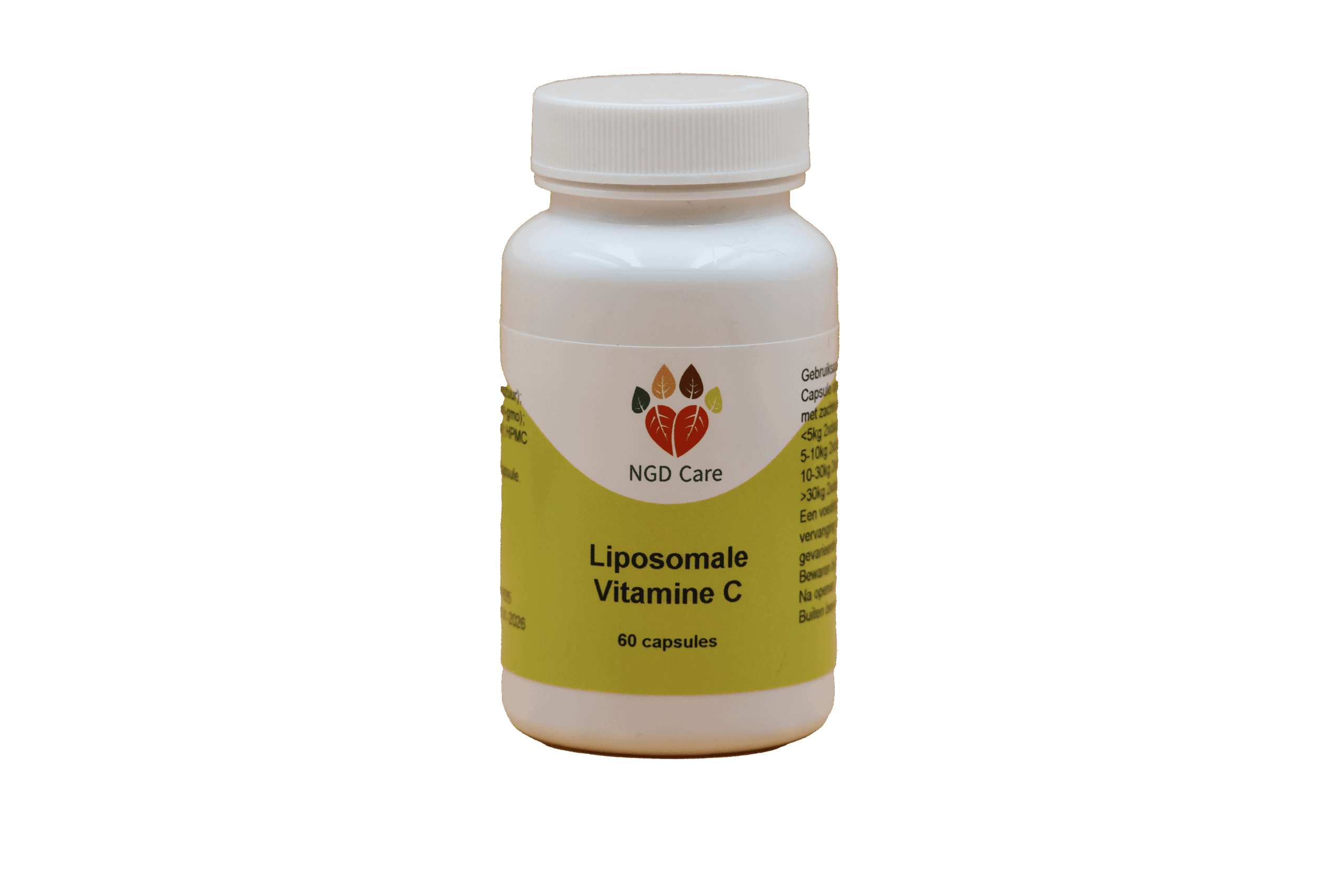
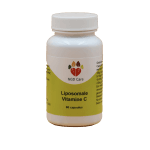
Liposomal Vitamin C
€ 32,95
Vitamin C does much more than support your resistance. It also helps in the production of collagen for joints and skin, supports the liver and protects cells. Dogs and cats produce it themselves, but in case of illness, stress or old age, that is often not enough.
- Supports immune system, skin, connective tissue and detox
- Better absorption due to liposomal delivery form
- Widely applicable in case of illness, old age or stress
- Suitable for dogs and cats, even with chronic conditions
- Description
- Ingredients
- Dosage and use
- Disclaimer
- Scientific literature & substantiation
- Reviews (0)
Description
QUICK SUMMARY
This supplement helps with: reduced resistance, joint problems, skin complaints and recovery after illness or surgery in dogs and cats. Dogs and cats produce vitamin C themselves, but in case of illness or stress, this falls short.
How does Liposomal Vitamin C work?
Vitamin C is much more than an immune vitamin. It is an essential cofactor for the production of collagen, the structural protein that keeps joints, skin, bones and blood vessels firm. Without enough vitamin C, the body cannot produce proper collagen, which becomes visible as joint problems, poor wound healing, and skin problems.
Dogs and cats can produce vitamin C themselves, but with infection, chronic illness, intensive exercise or old age, the need increases sharply while production lags behind. Addition in those situations is mechanistically well-founded.
The liposomal form ensures significantly better absorption than regular vitamin C, which is hardly absorbed at higher doses and can cause stomach upset.
What does this supplement do?
- Supports resistance to infections and chronic complaints
- Helps in the production of collagen for joints and skin
- Supports the liver in the processing of toxins
- In case of illness or old age, the own production is inadequate
- Liposomal form for better absorption without stomach upset
When do you see results?
Vitamin C has a fast and slow effect. From a systems biology point of view, the immune system recovers relatively quickly, while structural improvements in joints and skin take more time because they depend on collagen build-up.
Immune support immediately active. In acute infection or recovery after illness, a noticeable improvement in energy is quickly noticeable.
Better resistance visible: less likely to get sick, faster recovery. Beginning of improvement in skin quality.
Collagen build-up visible in skin and coat. In joint problems, improvement in flexibility due to better cartilage.
Daily use maintains optimal vitamin C status for immune, collagen and antioxidant protection.
Don’t see any difference after 6 weeks? Contact us via our app or email, or schedule an intake with integrative veterinarian Stefan Veenstra.
Frequently Asked Questions (FAQ)
Why does my dog or cat need extra vitamin C if the body produces it itself?
In the event of infection, chronic illness, intensive exercise or advanced age, the vitamin C requirement increases sharply while the patient’s own production lags behind. In those situations, supplementation is mechanistically well-founded.
Why liposomal vitamin C instead of regular vitamin C?
Ordinary vitamin C is hardly absorbed at higher doses and can cause stomach upset. The liposomal encapsulation protects the substance from degradation and significantly increases its absorption into the cells.
Is vitamin C also useful for joint problems?
Yes, vitamin C is an essential cofactor for collagen synthesis, the structural protein that makes up cartilage. Combine with Mobility Support for the complete building blocks of healthy cartilage.
Can I combine vitamin C with other antioxidants like glutathione?
Yes, vitamin C regenerates oxidized glutathione back to its active form. These two antioxidants work more efficiently together than separately.
Why NGD Care Liposomal Vitamin C?
| Characteristic | NGD Care | Medium supplement |
|---|---|---|
| Recording | Liposomal formulation: significantly higher absorption without stomach upset | Ordinary vitamin C: low absorption at higher doses, can cause stomach upset |
| Form of | Capsule with only active ingredients | Tablet or powder: often with fillers and flavorings |
| Scientifically substantiated | ✅ Yes collagen, immune and antioxidant in dogs | Variable |
| Human Grade quality | ✅ | Often not |
| Clean & Green Label | ✅ Yes, free from synthetic fillers | Rarely |
| Free of flavours and fragrances | ✅ | Often not |
| Free from animal by-products | ✅ | Often not |
| Part of systemic protocol | ✅ Yes Phase 1 Bowel Protocol | ❌ Individual supplements |
| Developed by veterinarian | ✅ Stefan Veenstra DVM | Rarely |
| Personal guidance | ✅ Intake possible via Naturally Healthy Animals | ❌ Not available |
Comparison based on common vitamin C supplements for dogs and cats on the Dutch market.
Part of a protocol
Liposomal Vitamin C is a phase 1 component of the Bowel Protocol as an anti-inflammatory supporter.
Works well with
Vitamin C acts as an antioxidant, immune booster and collagen cofactor. The supplements below enhance each of these three functions.
Vitamin C regenerates oxidative glutathione back to its active form. Together, they form a recycled antioxidant system that works much more efficiently than either individually. The strongest antioxidant combination available.
Vitamin C is an essential cofactor for collagen synthesis. Mobility Support provides the building blocks for cartilage. Without sufficient vitamin C, these building blocks cannot be optimally used by chondrocytes.
Vitamin C enhances the immune response that activates lactoferrin. Together in infection and recovery for faster and more complete immune recovery than either individually.
Curcumin inhibits NF-kB inflammation, vitamin C neutralizes the oxidative damage that occurs with inflammation. Together, they simultaneously inhibit and recover from chronic inflammatory diseases.
Want to know more about the science behind this supplement?
Stefan Veenstra DVM explains why vitamin C is essential for sick and older dogs and cats.
Developed and clinically substantiated by Stefan Veenstra DVM, integrative veterinarian. Stefan is the founder of NGD Care, NGD Care Academy and Integrative Veterinary Center Natural Healthy Animals. Read more about Stefan →
This information is educational in nature and does not replace a veterinary consultation. In case of severe or persistent complaints, always consult a veterinarian.
Ingredients
- Ingredients
- Ascorbic acid
- Composition per capsule of 400mg
- 300mg Ascorbic Acid
- Additions
- Lipodry liposome: sunflower lecithin
- HPMC vega capsule
Dosage and use
- Dosage dog and cat
- Therapeutic dosage
- on the advice of a veterinarian or therapist
- <10kg 2xdaily 1/2 capsule
- 10-30kg 1 capsule 2xdaily
- >30kg 2x daily 2 capsules
- Maintenance Dosing
- <10kg 1x daily 1/2 capsule
- 10-30kg 1x daily 1 capsule
- >30kg 2 capsules 1x day
- Manual
- Capsules can be administered opened or whole through food.
- Store in a dry, sealed and room temperature.
- Contraindications
- Do not use in diabetes without consultation: vitamin C can affect blood sugar levels (increasing or stabilizing, depending on dose and situation).
- Caution in animals with an increased risk of kidney stones.
- Side effects
- At high doses: stomach cramps, diarrhea, nausea, headache
- Long-term overdose: increased risk of oxalate stones in bladder or kidneys
- Interactions
- May increase the absorption of aluminium (e.g. from antacids)
- Increases the absorption of levothyroxine (thyroid medication)
- May affect the action of certain chemotherapeutic drugs
Disclaimer
- This product is a dietary supplement and not a substitute for a healthy lifestyle and varied balanced diet.
- The products are not medicines and cannot be used as medicines, but as a dietary supplement. In case of illness or other medical condition, always consult a veterinarian before use.
- Dietary supplements may have interactions and side effects with regular medications.
- Keep out of reach of young children.
- Consult an expert before using supplements in case of pregnancy, lactation, medication use and illness.
Scientific literature & substantiation
- Vitamin C and immune system
- Vitamin C promotes phagocytosis, T-cell activity and supports immunity to infection and stress.
- Source: Carr, A. C., & Maggini, S. (2017). Vitamin C and immune function. Nutrients
- Vitamin C and collagen synthesis
- Essential coenzyme for hydroxylation of proline and lysine in collagen.
- Source: Pullar, J. M., et al. (2017). The roles of vitamin C in skin health. Nutrients
- Liposomal Vitamin C and Absorption
- Liposomal form significantly increases bioavailability compared to conventional oral forms.
- Source: Hickey, S., & Roberts, H. (2005). Liposomal vitamin C: Enhanced absorption and bioavailability. Medical Hypotheses
- Vitamin C and oxidative stress/detoxification
- Plays an important role in protecting against oxidative damage and chelation of metals.
- Source: Duarte, T. L., & Lunec, J. (2005). Review: When is an antioxidant not an antioxidant? A review of novel actions and reactions of vitamin C . Free Radical Research
- Vitamin C and kidney stones
- Chronic high intake may increase the risk of calcium oxalate stones.
- Source: Thomas, L. D., et al. (2013). Ascorbic acid supplements and kidney stone incidence among men: a prospective study. JAMA Internal Medicine
You may also like…
Related products
-
Liposomal Lactoferrin
€ 54,95 Add to cart -
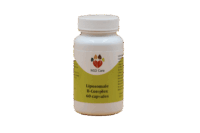
Liposomal Active Vit B complex
€ 32,95 Add to cart -

Liposomal CBD oil
From € 39,95 Select options This product has multiple variants. The options may be chosen on the product page -
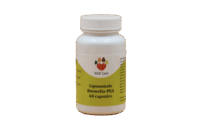
Liposomal PEA complex
€ 44,95 Add to cart
Reviews
There are no reviews yet.