


Description
NGD Care Skin Protocol: integrative support for skin complaints, itching and allergies in dogs and cats
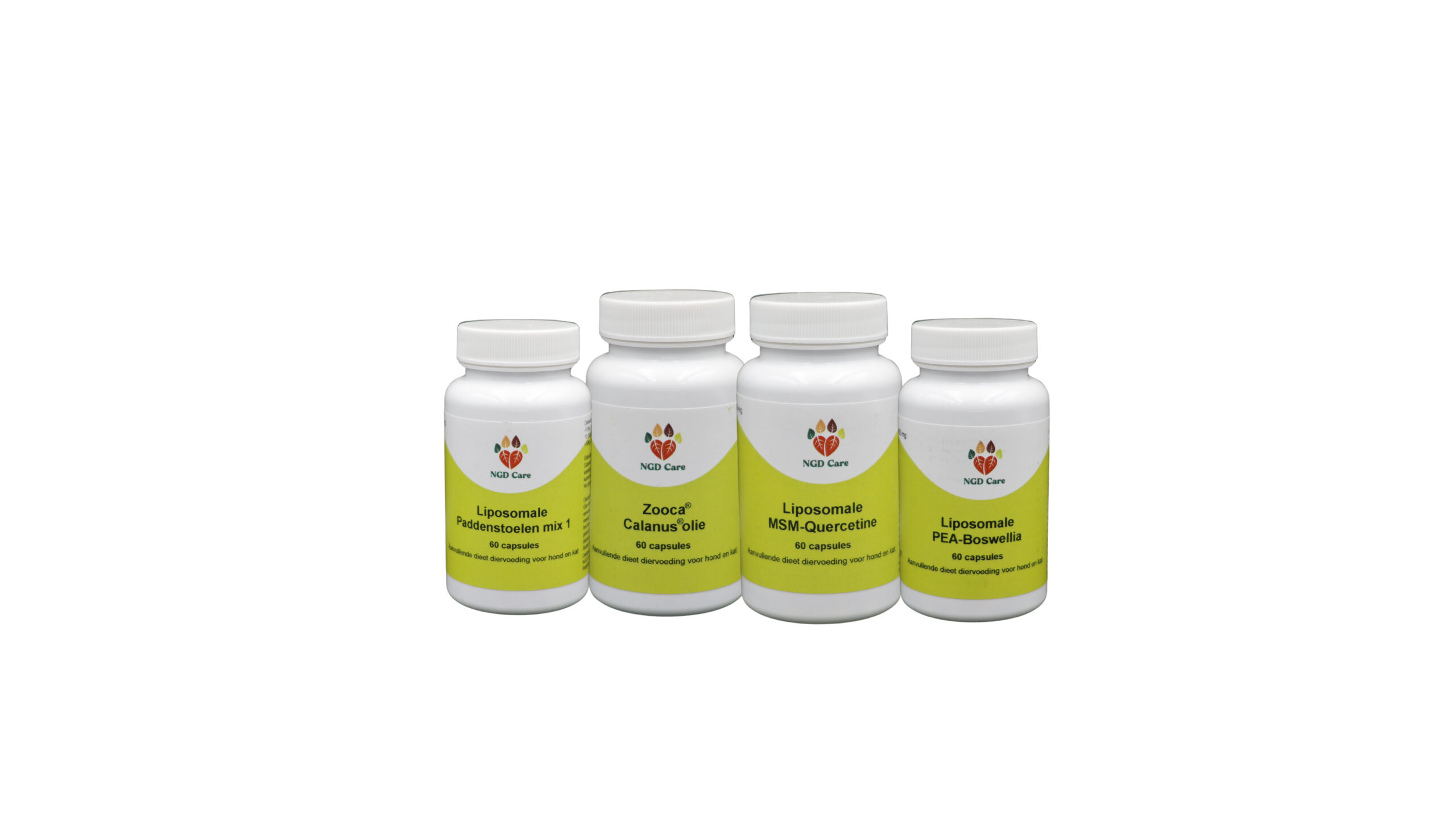
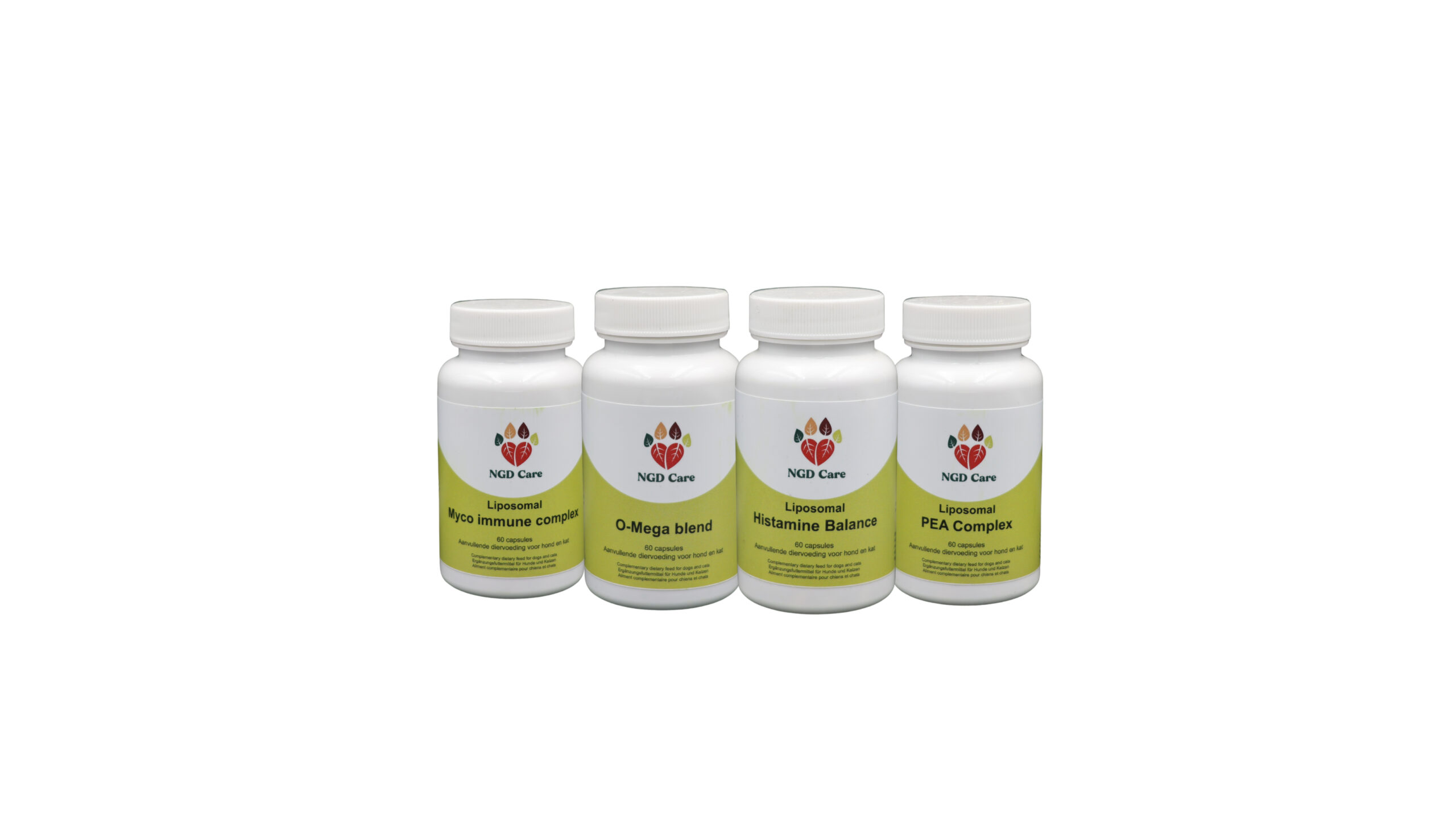
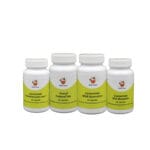
Skin problems in dogs and cats are rarely purely local. Behind recurring itching, eczema, hair loss or skin inflammation, there is almost always a systemic imbalance in the immune system, the gut microbiome, the inflammation regulation or the stress response. The NGD Care Skin Protocol is tailored to this: four complementary supplements, each of which addresses a different link in this system.
MSM and quercetin (Histamine Balance) form the antihistamine and anti-inflammatory basis of the protocol. Methylsulfonylmethane (MSM) provides bioavailable sulfur for collagen synthesis and keratin production and has direct anti-inflammatory and antipruritic properties via inhibition of NF-κB. Quercetin is a flavonoid with clinically relevant antihistamine action via inhibition of mast cell degranulation, the central trigger in allergic skin reactions. Together, they address both the acute histamine response and the underlying inflammatory response.
The PEA/Boswellia Complex modulates the deeper inflammatory response via PPAR-alpha activation and 5-lipoxygenase inhibition. This makes it suitable for long-term use for chronic skin problems, without the side effects of corticosteroids or NSAIDs that are a real problem with long-term use.
Myco Immune Complex (mushroom mix 1) supports the immune balance via beta-glucans from medicinal mushrooms. In allergic skin disease, the central immunological disruption is a dominant Th2 response. Beta-glucans stimulate the Th1 arm of the immune system and help restore the Th1/Th2 balance. In this way, they do not address the symptoms but the immunological root cause of the allergic overreaction.
Calanus oil provides high-quality omega-3 fatty acids (EPA, DHA, and the unique stearidonic acid) combined with astaxanthin. Omega-3 fatty acids strengthen skin barrier function and modulate the arachidonic acid pathway with an anti-inflammatory net effect. Astaxanthin protects skin cells from oxidative damage in chronic inflammation.
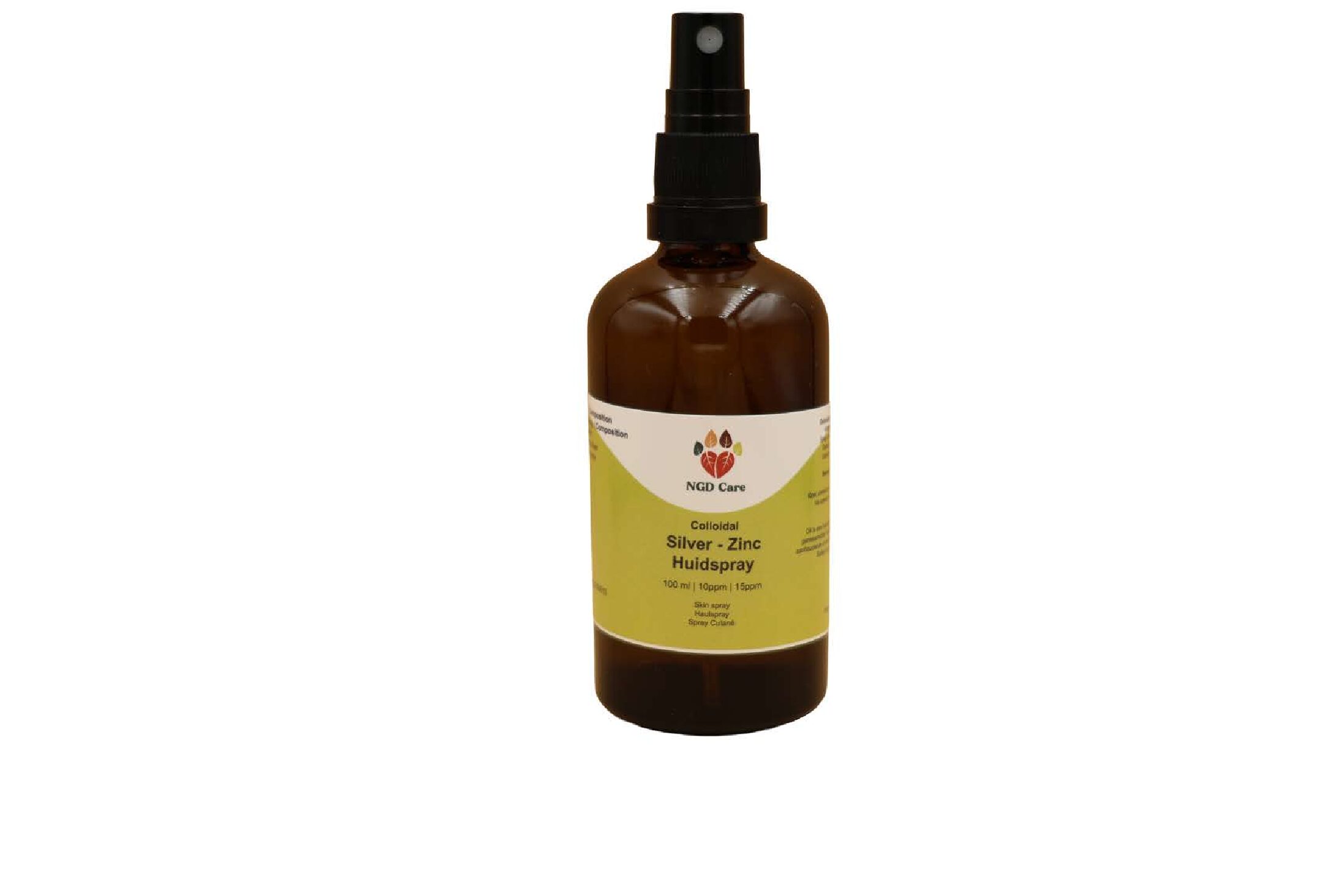
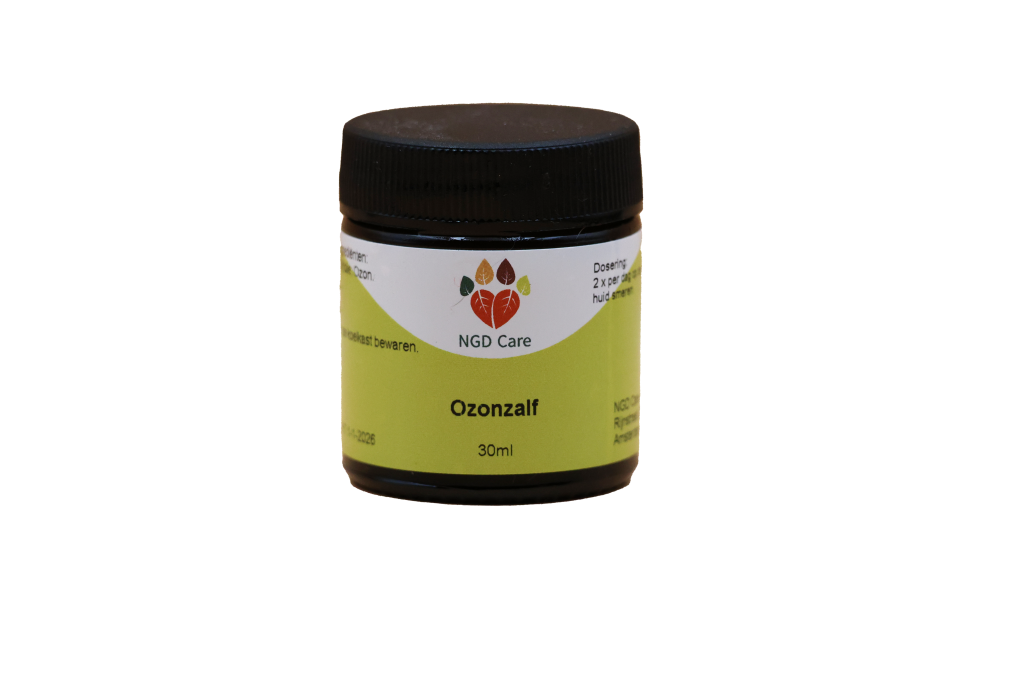
In case of stress-related itching, additional Myco Adaptogen Complex (mushroom mix 2) or CBD oil can be used. For acute eczema patches, ozone cream or colloidal silver-zinc spray is recommended as a topical supplement.
In case of chronic or recurring skin complaints, the Skin Protocol can always be combined with the NGD Care Bowel Protocol. The gut-skin axis is almost always a relevant mechanistic point of attention in chronic skin problems. The Gut Protocol works in two phases: Phase 1 (weeks 1 to 8) focuses on biofilm degradation, inhibition of low-grade inflammation and detoxification via Enzyme Mix 2, Liposomal Curcumin and Chlorella-Spirulina-Alfalfa, supplemented with a nutritional base of approximately 80% fresh or wet feed. Phase 2 (weeks 8 to 16) focuses on intestinal wall repair, microbiome building and enzymatic digestion support. Without restoration of gut barrier and microbiome balance, each skin protocol continues to work symptomatically instead of structurally addressing the underlying imbalance.
Would you like to read more about the gut-skin axis and the scientific basis of this protocol? Read the extensive background piece: Skin problems in dogs and cats: the gut-skin axis and the integrative protocol [link to blog page].


Reviews
There are no reviews yet.