


Microbial Support Trajectory
Description
The NGD Care Microbial Support Program helps dogs and cats with chronic or recurring complaints after infections with intracellular microorganisms such as Borrelia (Lyme disease), Ehrlichia, Anaplasma, Bartonella, Leishmania, Babesia, Toxoplasma, Leptospira and post-infectious residual load after viral infections. Also for import dogs with unexplained varying symptoms. This process is always initiated in consultation with a veterinarian.
Why a trajectory for intracellular infections?
Intracellular microorganisms have a unique survival strategy: they lodge inside the cells of the immune system, the very cells that are built to fight infection. From that hiding place, they are hardly accessible for antibiotics and for the immune system. They can lie dormant for years and become active again in the event of an immune system dip.
The result is chronic immune activation, low-grade inflammation and disruption of the energy management in cells. Owners see an animal that does not fully recover: varying complaints, relapses after apparent recovery, unexplained fatigue or joint complaints that come and go.
An effective approach requires a phased strategy. Without first creating peace and stability, further support can lead to a Herxheimer response: a temporary but sometimes severe deterioration due to massive release of toxins upon cell death of pathogens. Phase 1 prepares the body. Phase 2 tackles the microbial load in a controlled manner. Stage 3 restores what has affected the long-term infection and treatment.
The NGD Care Microbial Support Trajectory is the most complex trajectory in the NGD Care offer and always requires veterinary guidance. It is an adjunct to veterinary treatment, never a replacement.
How does the Microbial Support Trajectory work?
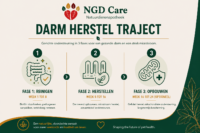
The process lasts twenty weeks and works in three phases. The order is strict: starting phase 2 too early without stabilization in phase 1 increases the risk of a severe Herxheimer reaction. Each phase builds on the previous one.
Liposomal Lactoferrin supports immune balance by promoting macrophage grasping and T-cell activation, inhibits pro-inflammatory cytokines by binding to LPS and reduces oxidative stress via iron sequestration. This makes lactoferrin particularly suitable as a first line for chronic infections where the immune system is continuously overactive. Myco Immune Complex modulates the immune system via beta-glucans without overstimulating it: essential in this phase where overactivation must be avoided. PEA Complex inhibits chronic neuroinflammation and stress burden via PPAR-alpha and supports the nervous system that is under pressure in long-term infections. Liposomal Glutathione enhances antioxidant capacity and liver protection in preparation for the toxin production that Phase 2 entails.
All phase 1 supplements are continued. Para Reset (NAC and Berberine) is at the heart of phase 2: berberine has been shown to have intracellular reach and inhibits the growth of intracellular bacteria; NAC supports glutathione synthesis for liver protection in increased toxin production. Microbe Guard’s essential oils deliver carvacrol and thymol that are active via ROS production and mitochondrial disruption against intracellularly localized pathogens including Leishmania and Borrelia persisters, deployed through two routes: Microbe Guard Internal oral for systemic reach, Microbe Guard Diffuser for skin and respiratory support without additional liver burden. Biofilm Balance breaks the biofilm structures that help protect intracellular pathogens and that hinder the penetration of other agents. Optional: conventional medication or ozone therapy, always embedded in the process and in consultation with the attending veterinarian.
→Microbe Guard Internal (oral)
→Microbe Guard Diffuser
→Biofilm Balance
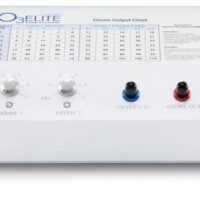
→Ozone therapy or medication (optional, vet consultation)
Longevity Support (NAD+, Resveratrol, Ergothioneine) restores mitochondrial function and cellular energy production in immune cells that have become depleted with prolonged infection. Liposomal Coenzyme Q10 supports energy production in muscles and organs and contributes to the restoration of vitality and resilience. Liposomal Glutathione is continued for the reduction of oxidative stress and the removal of residues. Gut repair is essential in this phase: long-term infection and treatment structurally affect the intestinal barrier and microbiome. L-Glutamine restores tight junctions and intestinal epithelium. Gut Barrier Support strengthens the mucus layer via fulvic acid and humic acid. Prebiotic Fibers stabilizes the microbiome for long-term immune support.
When do you see results?
Intracellular infections are the most complex conditions in veterinary medicine. Full recovery is a lengthy process in which relapses are normal. Be prepared for a wave of improvement and temporary deterioration, especially when transitioning from phase 1 to phase 2.
Stabilize. Less severe symptoms. More energy. Immune system is balanced for phase 2.
Transition to phase 2. Possible temporary deterioration (Herxheimer). This is normal and proves to work. Maintain close contact with veterinarian.
Significant improvement. Fewer chronic complaints. Better energy and immune response. Blood values improve.
Build-up phase. Bowel repair and mitochondrial repair. Durable immune resilience. Finalize and evaluate with veterinarian.
Important: always carry out this process in consultation with and under the guidance of a veterinarian. In case of severe Herxheimer reactions, temporarily pause the process and contact us. Schedule an intake with Stefan Veenstra via NatuurlijkGezondeDieren.nl for personal guidance.
Frequently Asked Questions (FAQ)
What is a Herxheimer reaction and is it dangerous?
A Herxheimer reaction is a temporary worsening of symptoms due to the massive release of toxins when pathogens die. This can occur during the transition from phase 1 to phase 2 and is generally seen as a sign that the approach is working. In case of serious reactions, always contact your veterinarian and pause the process if necessary.
Does this pathway replace antibiotics or other veterinary treatment?
No. This pathway is an addition to veterinary treatment, never a replacement. It is always used in consultation with and under the guidance of a veterinarian, in addition to any conventional medication or ozone therapy that your veterinarian prescribes.
My dog has fluctuating, misunderstood complaints since importing from abroad. Is this route suitable?
Imported dogs with unexplained varying symptoms are one of the target groups of this trajectory, because dormant intracellular infections such as Ehrlichia, Anaplasma, Leishmania or Babesia are often not diagnosed in the country of origin. An intake with a veterinarian is necessary to determine whether this process is appropriate.
Can I start this process myself without the intervention of a veterinarian?
No, this is the toughest route in the NGD Care offer and not intended for independent use. Due to the risk of Herxheimer reactions and the complexity of intracellular infections, veterinary guidance is necessary throughout the process.
Why the NGD Care Microbial Support Program?
| Characteristic | NGD Care Microbial Support Trajectory | Standard approach |
|---|---|---|
| Phasing | ✅ Controlled phased over 20 weeks | Antibiotics without recovery protocol |
| Herxheimer control | ✅ Stable immune base in phase 1 for gradual approach | No specific control |
| Intracellular range | ✅ Berberine, essential oils and biofilm breakthrough | Antibiotics reach intracellular persisters to a limited extent |
| Bowel recovery | ✅ Integrated in phase 3 | ❌ No intestinal recovery after antibiotics |
| Scientifically substantiated | ✅ Berberine, lactoferrin, OEO against Leishmania and Borrelia | Yes for antibiotics |
| Developed by veterinarian | ✅ Stefan Veenstra DVM | N/A |
| Personal guidance | ✅ Intake required via NatuurlijkGezondeDieren.nl | ❌ Not available |
Is this program suitable for my animal?
Always in consultation with a veterinarian. This is the toughest route in the NGD Care offer and not suitable for independent use without veterinary supervision.
Want to read the full scientific background?
Stefan Veenstra DVM explains how intracellular pathogens hide, why a phased approach is essential and what the evidence is for berberine, lactoferrin and essential oils in intracellular infections.
Supplements in this process
Developed and clinically substantiated by Stefan Veenstra DVM, integrative veterinarian and founder of NGD Care. NatuurlijkGezondeDieren.nl →
This program is educational in nature. It is an adjunct to veterinary treatment, never a replacement. Always use under the supervision of a veterinarian.
Ingredients, dosage and use
- See the individual ingredients
- For the first month, we recommend a double therapeutic dose of 2x daily. Then a maintenance dose of 1x daily.
- Each phase is suitable for a treatment of 2-4 months for a dog or cat <10kg and for 1-2 months for a dog of 10-30kg.
Disclaimer
- This product is a dietary supplement and not a substitute for a healthy lifestyle and varied balanced diet.
- The products are not medicines and cannot be used as medicines, but as a dietary supplement. In case of illness or other medical condition, always consult a veterinarian before use.
- Dietary supplements may have interactions and side effects with regular medications.
- Keep out of reach of young children.
- Consult an expert before using supplements in case of pregnancy, lactation, medication use and illness.
You may also like…
Related products
-
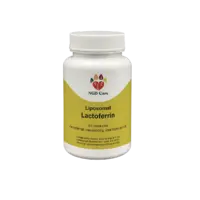
Liposomal Lactoferrin
€ 54,95 Add to cart -
Anxiety Support
From € 21,95 Select options This product has multiple variants. The options may be chosen on the product page -
Gut feeling essence – Chakra 3 and 6
€ 18,95 Add to cart -
Joint Support Trajectory
Read More
Reviews
There are no reviews yet.